
 By
By Counter-Strike 2 is not just about skill and competition. Many players view it as an online economy with real-world trading and value.
Items like skins, cases, stickers, and community creations are all potential money-makers if you know how to work the system.
Most players usually start in casual mode with small item trades, but some methods can gradually turn into substantial returns if you do them right and follow the Valve rules.
For example, a Karambit Blue Gem skin recently sold for $1.5 million. That’s how big CS2 market really is!
In this post, we look at some of the easiest money-making methods in Counter-Strike 2 (CS2) that anyone can start right away.
1. Trading and Flipping CS2 Skins

Trading skins is one of the most profitable ways to make good money in CS2. Trading skins is basically buying skins at low prices and later reselling them when the demand has increased.
You can start by following a guide and learning how to sell CS skins for real money, since this process also means realizing market timing, liquidity, and trusted third-party marketplaces.
Prices are moving depending on changes, tournament hype, rarity, and, in general, demand. Understanding these key metrics is the key to making profits.
A fraction of traders work with quick flips and slim margins, while the majority keep the skins for long periods. Holding onto valuable skins is a good method, as it often means selling at the right time after the price goes up.
The method of trade is a gamble on time, a commitment to thorough study, and self-control, but it is only by this method that seasoned players see their outcome soar.
2. Selling Skins From Weekly Drops
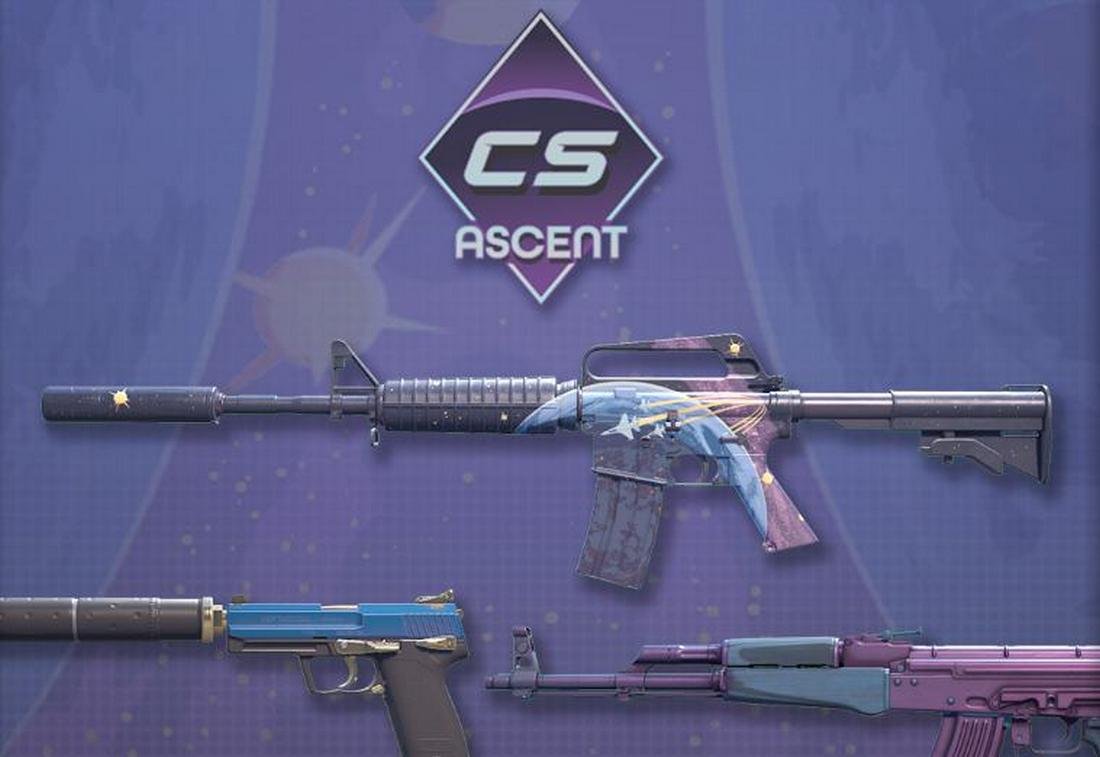
Each CS2 player is allowed to receive weekly drops. These drops may comprise a case, a skin, or a few graffiti items. Of these, cases are generally the most valuable.
Cases are likely to appreciate over time, particularly when they are removed from active drop pools. The practice of holding onto cases for several years has, by and large, been one of the safest passive strategies in the CS economy.
However, it is a slow method. Making a substantial amount of money would take years if not for someone with several accounts, which is against Valve’s terms and not advisable.
So, for casual players, weekly drops should be considered as a long-term bonus rather than immediate income.
3. Investing in Cases Over Time
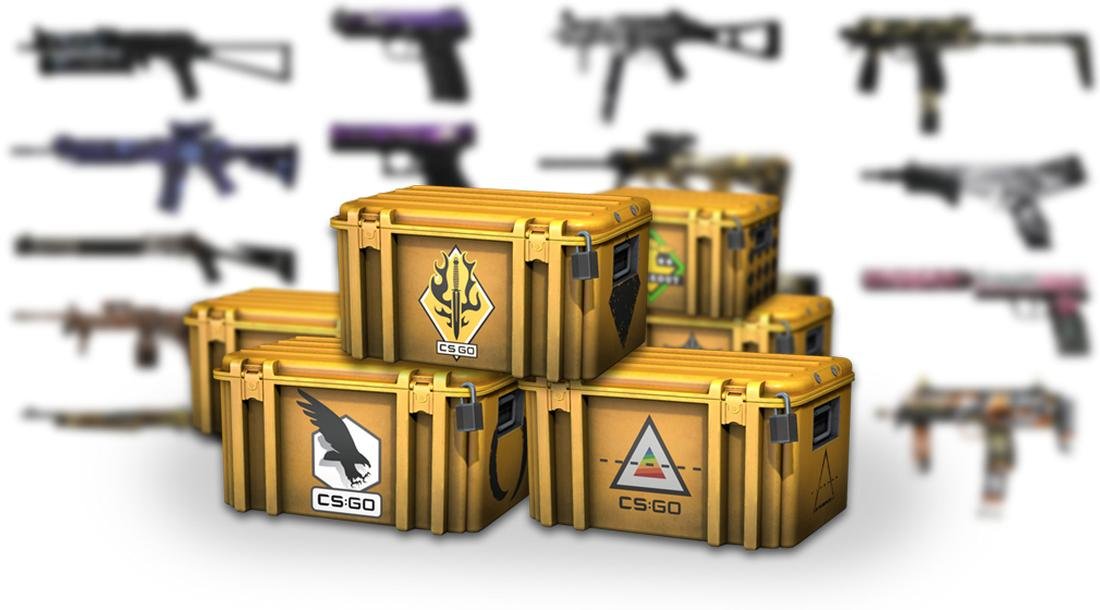
Case investing is not limited to opening cases from weekly drops. There are players who purchase cases in bulk when prices are low and keep them for quite a while.
Their prices can be significantly affected by Valve updates, new case releases, or changes in drop rates. Oftentimes, the value of an older case with a popular knife finish increases due to limited supply.
These are the things you need if you want to follow this method: a place to store, patience, and confidence in the long term stability of the CS skin market.
4. Sticker Investing and Event Hype

Big competitions are what make stickers wanted on a large scale. If a team does well or a player becomes a legend, their stickers quickly increase in value.
Wise investors purchase stickers when there are discounts or at the very beginning of a tournament and keep them until the offer is minimal.
Compared to cases, this method is riskier but can yield much higher gains if one is right about the timing.
Knowing the team’s popularity, the player’s legacy, and the collector’s behavior is very important in this case.
5. Creating CS2 Workshop Skins
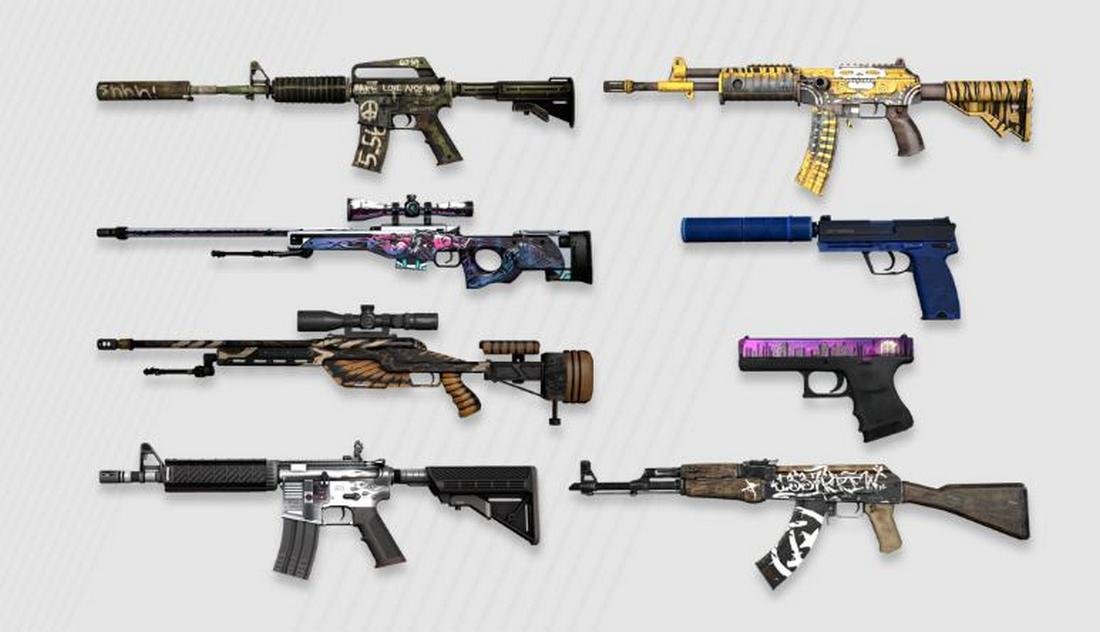
With appropriate design skills, developing skins via the Steam Workshop is the easiest way to benefit from CS2.
Once the skin is approved by Valve and made available in the game, the producer gets a portion of every transaction.
A few producers make a small, attractive side income, whereas some of the leading producers have made a lot of money over several years.
There are many competitors, and the acceptance rate is very low, but this way of working rewards the inventiveness of the creators rather than their financial resources.
6. Content Creation Around CS2
Many players use the CS2 environment to make money indirectly through content creation. Such content might be videos, guides, market analysis, or streams.
Income is mainly generated through ads, sponsorships, or affiliate partnerships. Although it is not certain, regular and instructional content is often preferred over merely highlighting clips.
It takes a while to get there with this method, but it is a way to create value that is not dependent on the game economy.
7. Participating in Community Market Trends
A few players are only interested in watching trend changes. For instance, an update, a weapon buff, a new collection, or even a cosmetic change is often the reason for an abrupt price change.
It is still critical to be the first one. Players who catch the connection between the update and the demand can make a move even when the market is not yet very liquid.
This technique is closely related to trading but is more about quick access to news rather than holding positions for a longer time.
In Conclusion
Of course, you’ll have to be patient and involved in the world of CS2 to make money using any of these methods.
Keeping a close eye on current trends and events related to the game is also important.
If you’re already enjoying the game and play it daily, this process will be a walk in the park for you.